Art has a way of naming who we are before we can put words to our memories. When we pause to study a woven pattern, listen to a folktale, or observe a digital sculpture born from AI, we are reading a map of belonging. At SerinaErFjord.com we celebrate how art travels across different forms and disciplines to tell the stories of communities, traditions, and personal journeys. This article invites you into a friendly exploration of cultural identity through art, from the tactile textures of folk craft to the shimmering edge of digital and AI created works. Whether you are a maker, a student, or a curious reader, you will find ideas, practices, and reflections that can inform your own creative path. Let us wander through the ways art reveals who we are, where we come from, and how we imagine the future together.
Understanding Cultural Identity Through Art
What is cultural identity in art?
Cultural identity in art is not a single signature but a living conversation. It includes the stories we inherit, the languages we speak through imagery, and the practices we carry in daily life. It arises from family rituals, community memory, migratory histories, and the landscapes that shape our senses. When an artist makes, they translate a sense of belonging into form. That form can be a painting, a weaving, a song, a mandala, or a digital sculpture. Cultural identity in art also involves listening to others and allowing different histories to illuminate our own.
Key ideas to remember:
– Identity is formed at the intersection of history, memory, and place.
– Art acts as a repository for shared memory and a theater for new meanings.
– Representation matters: who is seen, how they are shown, and whose stories are told.
Why art reveals culture
Art reveals culture because it translates intangible heritage into tangible experience. A traditional textile pattern speaks of clan lines and seasonal cycles. A folk tune carries centuries of rituals, migrations, and negotiations with the land. A mandala encodes spiritual and meditative practices that can travel across borders. Even in digital and AI influenced works, cultural cues surface through choice of motifs, color palettes, and the ways communities reinterpret symbols.
- Art creates accessible touchpoints for memory and learning.
- It offers a way to share complex ideas without words.
- It provides a space for dialogue between generations and between cultures.
The role of mandalas and spiritual motifs
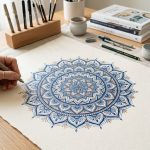
Mandalas are a compelling example of universal yet diverse cultural identity. They often symbolize cycles, balance, and wholeness. In many traditions, mandalas function as tools for meditation, storytelling, and communal ceremony. In contemporary practice, artists remix mandala forms to honor ancestral lines while exploring modern concerns such as technology, climate, or social justice. At SerinaErFjord.com we feature mandala inspired art and analysis as a bridge between personal meaning and collective memory. You can explore how repeating patterns invite reflection and how color choice can carry cultural associations.
The language of symbols
Symbols are the shorthand of identity in art. A single motif can evoke a family legacy, a regional tradition, or a shared rite. When artists work with symbols across media, they invite audiences to decode layered meanings. This dynamic is especially rich in folk and traditional arts, where symbol systems carry decades or centuries of understanding. It is equally potent in digital worlds where traditional motifs are reinterpreted with new technology, enabling a wider circle of people to encounter and question familiar meanings.
Traditional and Folk Arts as Vessels of Identity
Handcrafts and community memory
Traditional crafts are living archives of culture. Weavers, potters, woodcarvers, and textile artists keep memory tangible through technique and material. Each stitch or groove can tell a story about a locality, a family, or a season. In many communities, these crafts are passed down through generations, embedding communal knowledge in objects that endure long after the maker’s hands have moved on.
- Handcrafts preserve local ecosystems and material wisdom.
- Craft practices connect elders with young makers, sustaining intergenerational dialogue.
- Public exhibitions and workshops help communities share their living heritage.
The role of textiles, weaving, and pottery in identity
Textiles and pottery are physical archives. A woven shawl may encode clan colors, genealogical lines, or festival histories. Pottery shapes reflect environmental constraints and ceremonial usage. When contemporary artists reinterpret these forms, they honor tradition while inviting new interpretation. This balance between reverence and innovation is a central thread in cultural identity through art.
Oral tradition and performance arts
Besides the tactile arts, the spoken and performed arts carry deep identity signals. Storytelling, ballads, dance, and theatre transmit values, myths, and memory. The performative aspect of culture is inherently social, offering a shared experience that strengthens community bonds. In modern settings, oral traditions blend with multimedia performance to reach wider audiences while preserving core messages.
Sacred motifs and ritual objects
Ritual objects and sacred motifs anchor identities within shared belief systems. They are not relics of the past but living references that guide how people behave, celebrate, and care for one another. By reimagining these motifs, artists honor sacred memory while inviting contemporary interpretation and inclusion.
Digital and AI Generated Art and Cultural Identity
How AI reshapes interpretation
AI generated art expands the tools available to explore cultural identity. Algorithms can remix traditional motifs, simulate complex textures, and generate new visuals that reflect our global conversations. The result is a dynamic dialogue between human intention and machine suggestion. This collaboration can reveal new layers of meaning, highlight overlooked histories, and invite viewers to question authorship and originality.
Key considerations:
– Authorship can be shared between the artist and the algorithm while the human creator curates intent.
– AI can democratize access to stylistic experimentation, letting more people participate in cultural conversations.
– It is important to acknowledge sources and avoid appropriation when working with culturally specific symbols.
Ethical considerations
With digital and AI art, ethics matter as much as aesthetics. Artists should:
– Seek consent and credit when engaging living communities and sacred imagery.
– Be transparent about how data sources and algorithms influence work.
– Use digital practice to uplift marginalized voices and support cultural preservation.
– Encourage critical viewing so audiences understand the context behind the imagery.
The art of collaboration between human craft and machine
The best AI assisted works honor human expertise while embracing machine creativity. In folk and traditional arts, human skills carry centuries of tactile knowledge. When AI assists, it can handle repetitive tasks, simulate large-scale patterns, or propose novel compositions, freeing the maker to focus on storytelling and meaning. This synergy invites a broader audience to experience cultural identity through new forms.
Art Education and Cultural Identity
Schools and community programs
Education is a powerful catalyst for exploring cultural identity through art. School curriculums that incorporate local traditions, oral histories, and community projects foster pride and curiosity. Community centers and arts organizations can offer workshops on traditional crafts, storytelling, and new media practices. By connecting learners with living traditions, educators help young people form a confident sense of belonging.
Public libraries and museums as spaces for dialogue
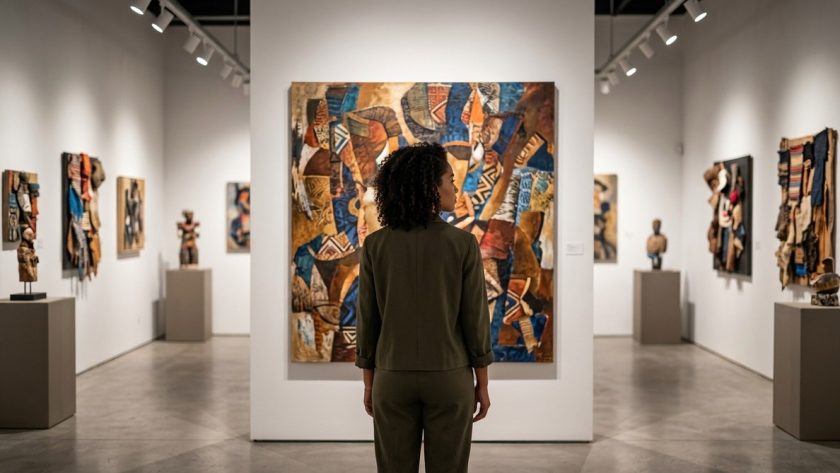
Libraries and museums are essential crossroads for conversations about culture. Exhibits that blend material heritage with contemporary artistic practice create rooms for reflection and dialogue. Programs such as artist talks, family days, and maker spaces empower visitors to experiment with new forms while respecting traditional roots.
Projects that reveal identity
Hands-on projects encourage personal and communal discovery. Ideas include:
– Creating a family archive of textiles or photographs and translating it into a mixed media piece.
– Designing a community mural that honors local stories and references regional folklore.
– Producing a digital collage that reinterprets a traditional motif in a modern context.
– Leading a mandala making workshop that connects mindfulness with cultural symbolism.
– Documenting craft processes via short videos or micro essays to preserve tacit knowledge.
Global Intersections: Intercultural Dialogue through Art
Case studies and examples
Across the world, artists collaborate across cultures to build bridges of understanding. Shared projects might include cross border weaving exchanges, literary collaborations translating folk tales, or digital art residencies that bring together artists from different regions. These encounters reveal common human concerns while respecting diverse aesthetics.
- Community arts collaborations that celebrate multilingual storytelling.
- Textile exchanges that pair traditional techniques with contemporary design.
- Digital exhibitions that present multiple cultural viewpoints within the same framework.
How to participate on SerinaErFjord
SerinaErFjord.com welcomes readers who want to engage with culture through art in digital, literary, and cultural disciplines. You can:
– Explore features on AI art, mandalas, and traditional crafts.
– Read interviews with artists who blend heritage with modern media.
– Submit your own work or reflections on how culture informs your creative practice.
– Join discussions in the comments and share resources that illuminate cultural identity.
Practical Ways to Explore Cultural Identity in Your Art Practice
If you are ready to bring cultural identity into your own practice, here are actionable steps you can start today.
1) Start with your story
– Write a short personal narrative about a memory connected to a place, a family object, or a ritual.
– Identify symbols, colors, or textures that recur in your experience.
2) Listen and research local histories
– Visit libraries, museums, and community centers to learn about your region’s folklore and crafts.
– Interview elders or community mentors to capture memories that have not yet been documented.
3) Collaborate with makers from other backgrounds
– Organize or join a collaborative project that pairs traditional artisans with contemporary designers.
– Exchange techniques and stories to create pieces that reflect multiple identities.
4) Document the process and reflect
– Keep a visual journal of sketches, material choices, and decisions behind your work.
– Write short reflections after every session to track how meaning evolves during your creation.
5) Incorporate ritual and mindful making
– Build in moments of stillness or ritual during the making process to connect with memory and intention.
– Use repetition in your practice to honor formal motifs while inviting new interpretations.
6) Use a variety of mediums
– Combine fiber, clay, metal, print, and digital media to explore how materials shape cultural expression.
– Experiment with mandalas or circular compositions to reference cycles and community unity.
7) Archive your work and stories
– Photograph and catalog pieces along with background notes and the communities involved.
– Consider publishing a small zine or online gallery that documents the journey behind each piece.
8) Center ethics and respect
– Acknowledge sources of inspiration and seek consent when working with culturally sensitive symbols.
– Create space for voices from the communities you engage with to participate in the project.
9) Share and invite dialogue
– Host feedback sessions or open studios to invite community members to discuss the work.
– Publish write ups about what you learned and how your perspective evolved.
10) Stay curious about the global conversation
– Look for artists who connect local tradition with global digital culture.
– Follow galleries, journals, and podcasts that emphasize cultural exchange through art.
Conclusion: Celebrating Diversity through Creative Practice
Cultural identity is not a fixed label but a living, evolving conversation that happens wherever art is made. From the intimate textures of traditional crafts to the bold explorations of AI assisted imagery, art holds a mirror to who we are and who we might become. At SerinaErFjord.com we believe in the power of art to illuminate heritage while imagining new futures. By embracing both the deep continuity of folk and traditional arts and the inventive energy of digital and AI generated practices, we can foster inclusive dialogue, richer classrooms, and more meaningful creative communities.
We invite you to explore the site further to see how mandalas, digital art, storytelling, and cultural studies intersect. Whether you are drawn to the quiet precision of a woven piece, the storytelling depth of a poem, or the boundary pushing potential of AI art, there is room for your voice in this growing conversation. Let your art be a doorway into cultural identity that welcomes others, honors memory, and invites new traditions to bloom. Together, we can celebrate diversity through creative practice and build a more connected artistic world.